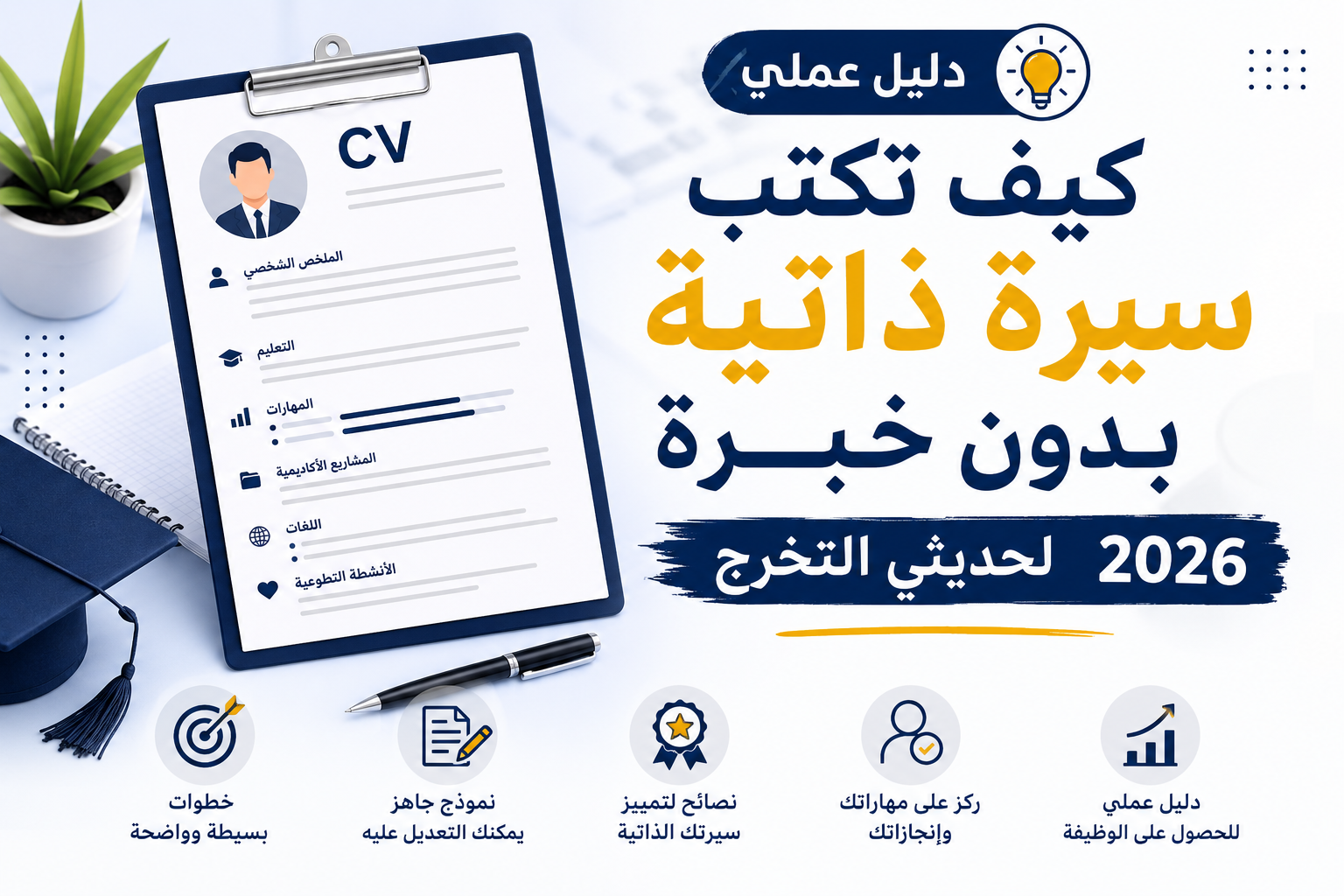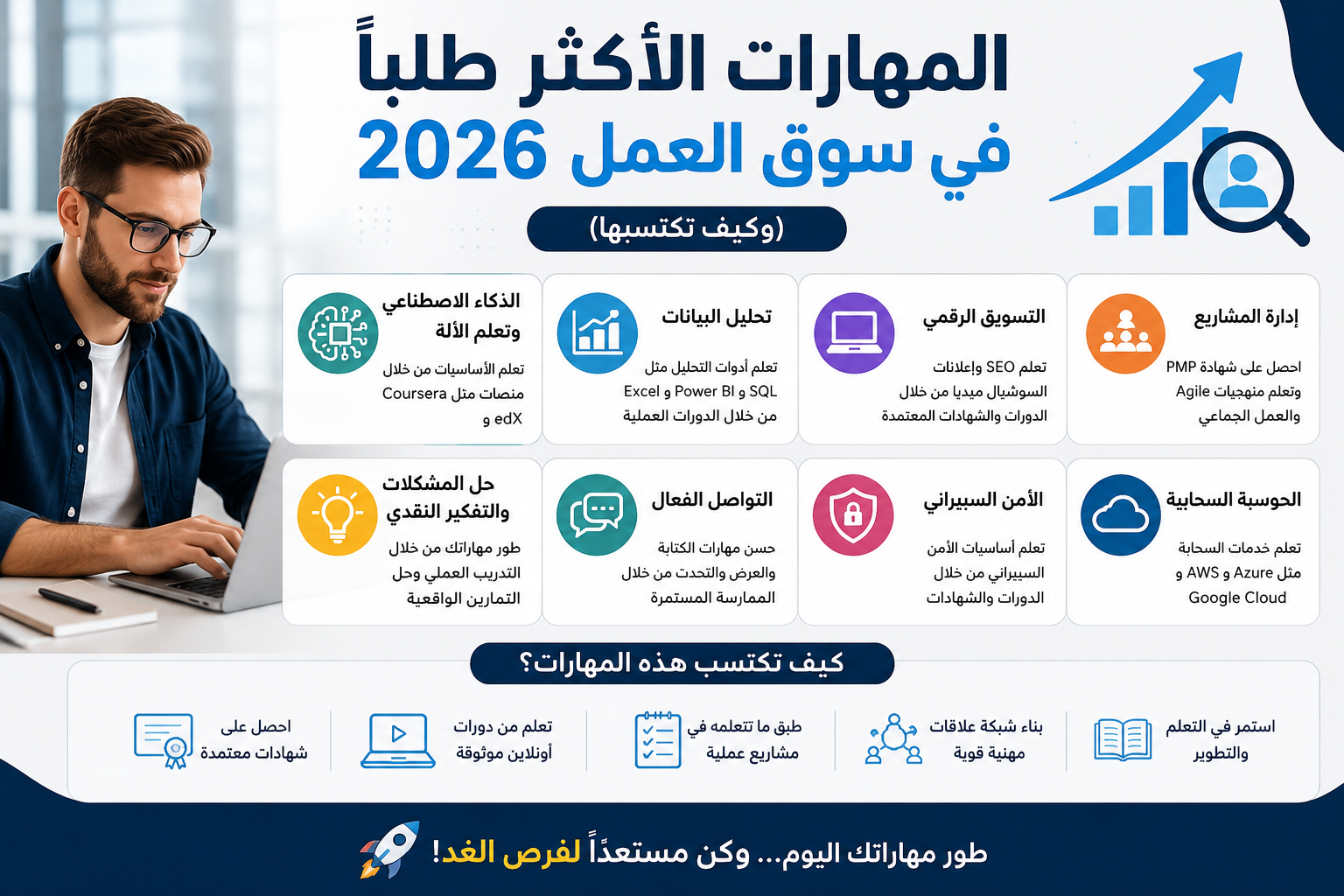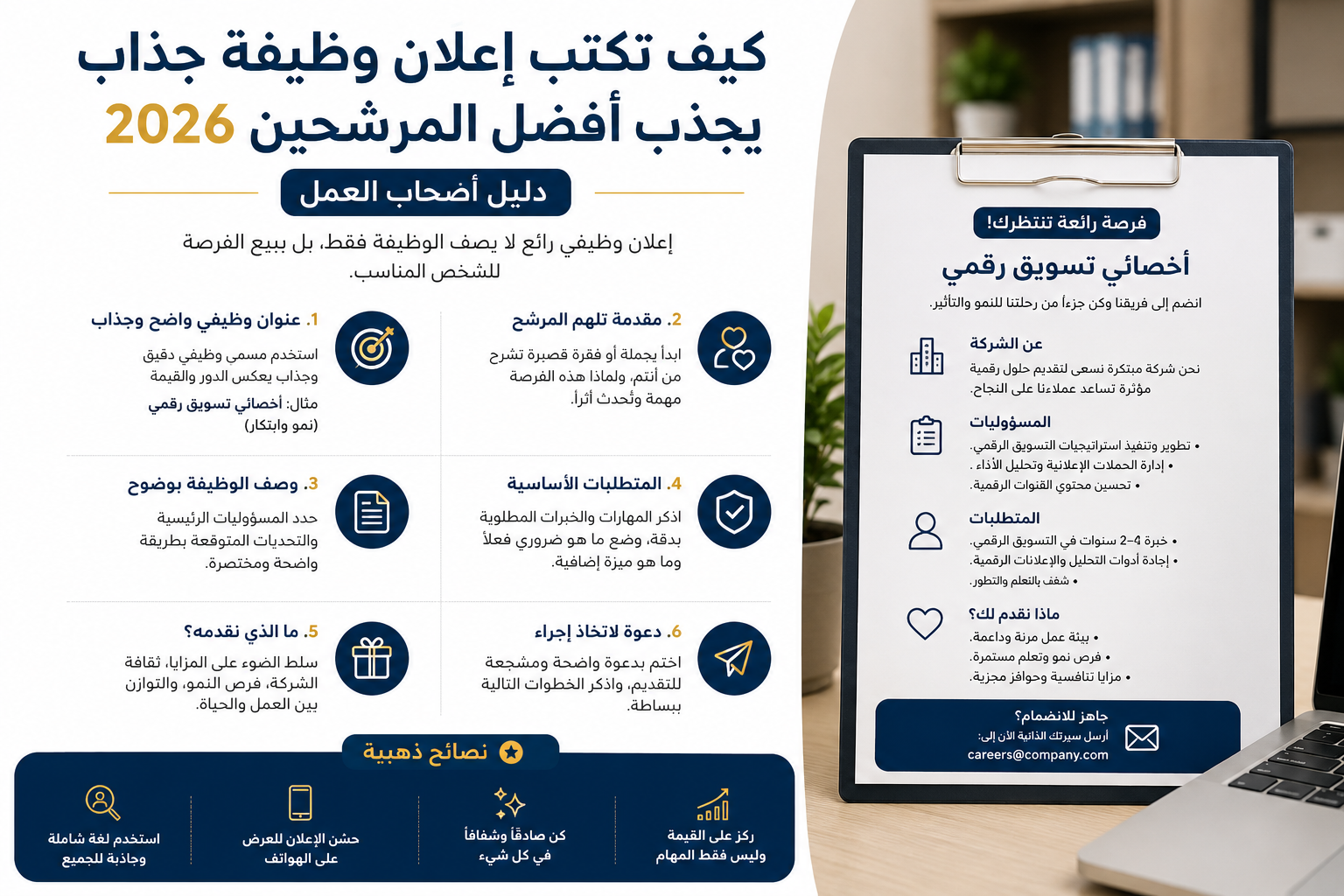
Your CV is the first impression an employer forms of you, and your chances are often decided within the 7 seconds a recruiter spends scanning it. Mastering how to write a professional CV is no longer optional — it is the single most important step in your job search.
In this practical 2026 guide, we'll walk you through writing a strong CV that passes Applicant Tracking Systems (ATS) and grabs a recruiter's attention, with a ready template to build on. If you want to save time, you can create an ATS-friendly resume directly using our smart tools.

What Is a CV and Why Does It Matter?
A CV is a concise document that summarizes your experience, skills, and professional qualifications. Its only goal is not to list your work history, but to convince the employer that you are the right person to invite for an interview.
It matters because it is:
- Your first marketing tool in front of companies.
- The decisive factor in passing the initial screening stage.
- A reflection of your professionalism and attention to detail.
What Are ATS Systems and How Do You Pass Them?
Before your CV reaches a human's eyes, in many companies it passes through software called an ATS (Applicant Tracking System). This system scans your CV automatically and filters out anything that doesn't match the job requirements.
To pass ATS systems, follow these rules:
- Use keywords from the job posting itself within your CV.
- Avoid complex tables and images the system can't read.
- Use a simple layout with clear section headings (Experience, Education, Skills).
- Save the file as PDF unless told otherwise.
- Use standard fonts and a readable size.
💡 Not sure if your CV passes these systems? Try the AI-powered CV improvement tool to check and enhance it automatically.
Steps to Write a Professional CV
1. Personal Information
Start with your full name, then contact details (phone, email, LinkedIn link, city). Avoid extra information such as national ID or marital status unless requested.
2. Professional Summary
Write 3 to 4 lines summarizing your experience, key achievements, and what you offer the company. This section is the "front door" of your CV, so make it strong and focused on the value you add.
3. Work Experience
This is the most important section of all. The golden rule: write results, not just duties.
- ❌ Weak: "Responsible for managing orders."
- ✅ Strong: "Managed 1,000+ orders monthly while raising on-time delivery to 95%."
List your experience from newest to oldest, and use numbers and percentages wherever possible because they prove your impact.
4. Education
State your qualification, university name, major, and graduation year. If your work experience is substantial, keep this section brief.
5. Skills
Write a mix of technical skills (related to your field) and soft skills (such as leadership and working under pressure). Make sure your top skills match what employers in your field are searching for.
6. Certifications and Languages
Add accredited professional certifications and your language proficiency levels — they give you a clear competitive edge.
After the CV: Don't Forget the Cover Letter
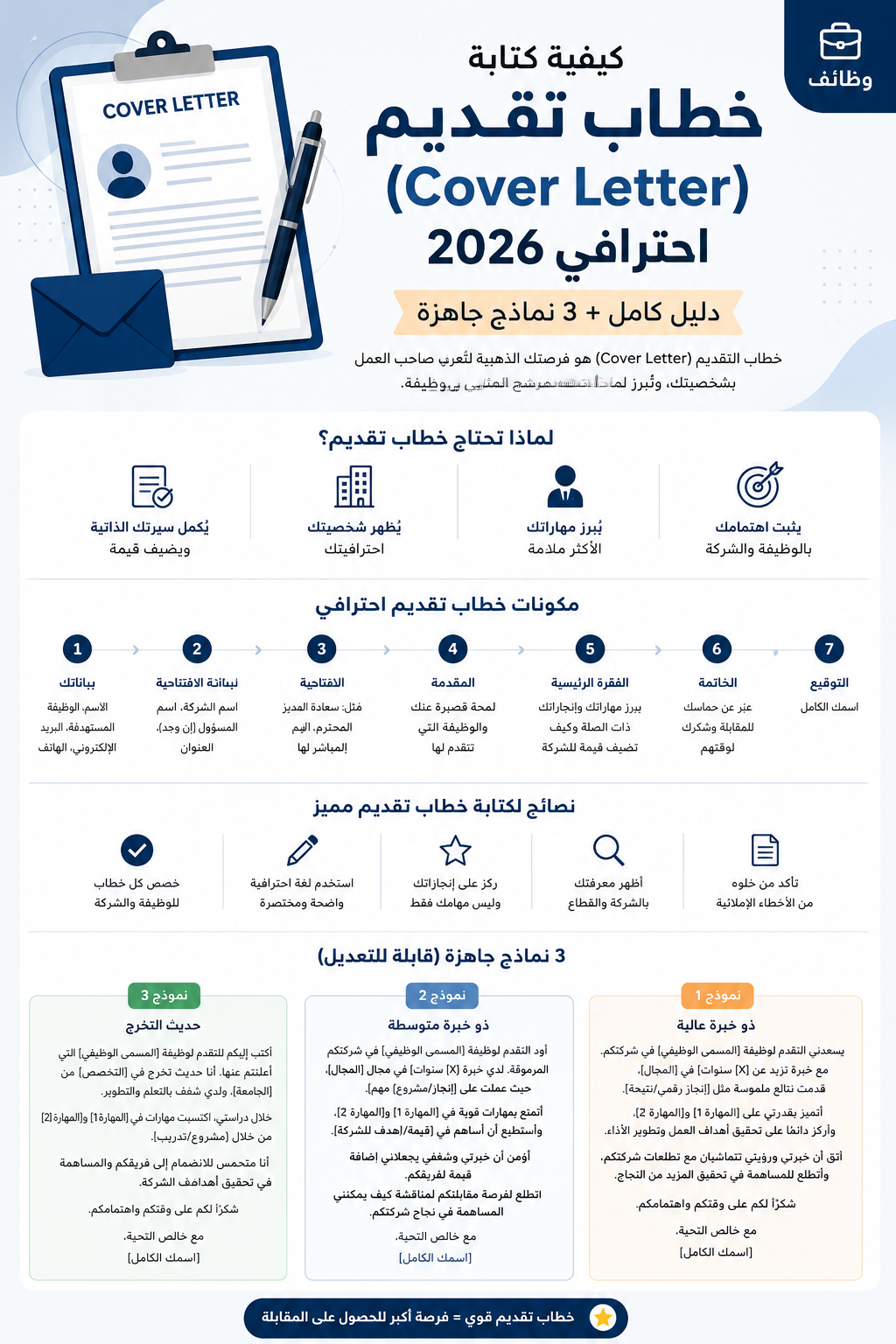
Many companies request a cover letter alongside the CV — it's your chance to explain why you're interested in the role and what sets you apart. You can create a professional cover letter in one minute instead of writing it from scratch every time.
Top Mistakes That Ruin Your CV
Avoid these common mistakes that cost many people their opportunities:
- Stretching the CV beyond two pages without need.
- Spelling and grammar errors, which signal carelessness.
- Using an unprofessional email address.
- Sending the same CV to every job without tailoring.
- Focusing on duties instead of achievements and results.
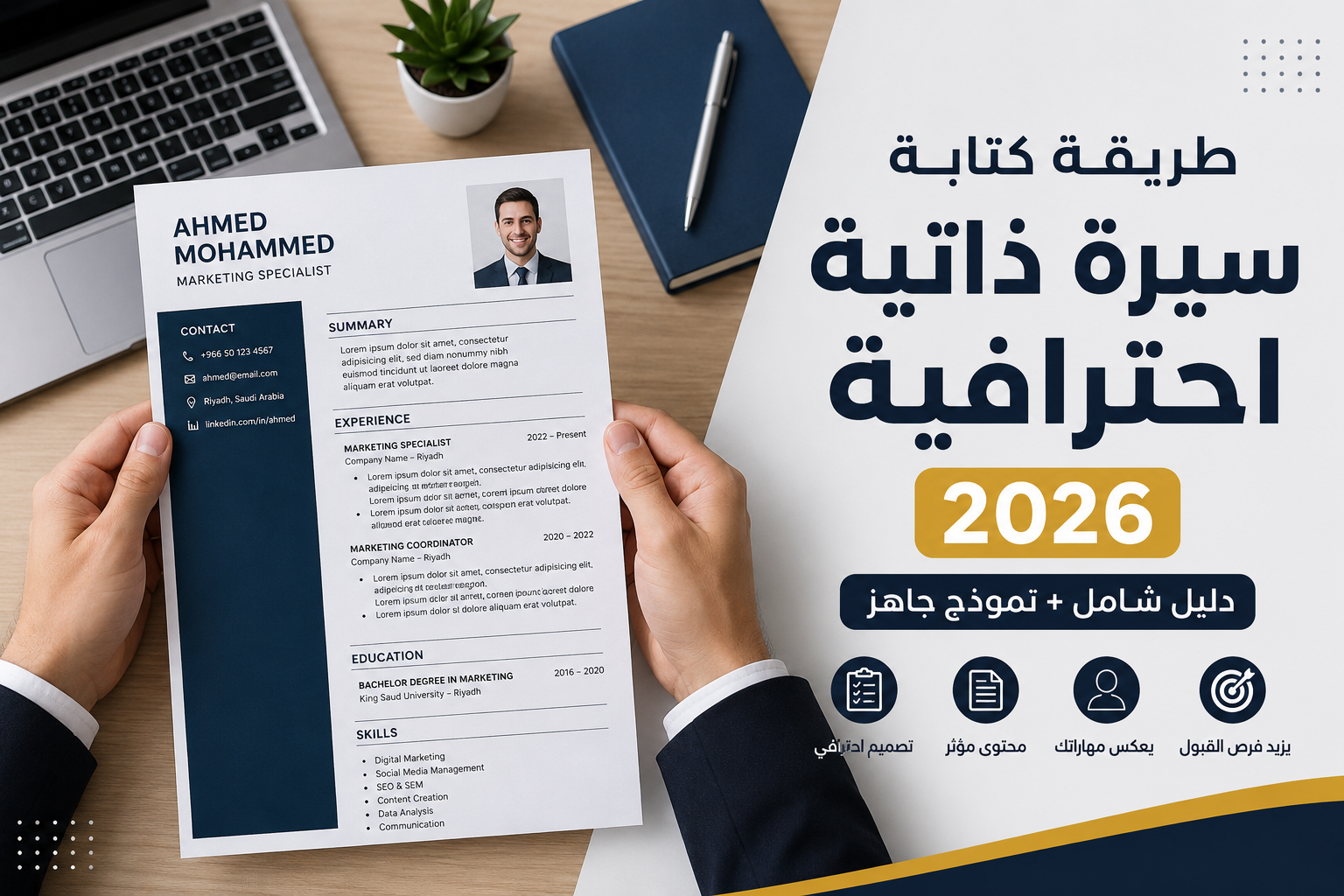
A Professional CV Template (Ready Structure)
You can build on this simple structure:
Full Name
Professional Title | City | Phone | Email | LinkedIn

Professional Summary:
(3–4 lines about your experience and value)

Work Experience:
Job Title — Company Name (Dates)
- Achievement with a number/result
- Achievement with a number/result

Education:
Qualification — University (Graduation Year)

Skills:
(Technical skills + soft skills)

Languages & Certifications
Prepare for What Comes Next: The Interview
A strong CV opens the interview door — and good preparation is what wins the job. Check out the AI interview preparation service, and if you're planning your career for the longer term, the AI career coach helps you make the right decisions.
Frequently Asked Questions About Writing a CV
What is the ideal CV length? One page for those with limited experience, and two pages maximum for those with long experience.
Should I put a photo on my CV? In Saudi Arabia and the Gulf a professional photo is preferred, while global companies tend to avoid it. Choose based on where you apply.
What is the best format to save a CV? PDF is best because it preserves formatting and is readable by most ATS systems.
How often should I update my CV? Update it with every new experience or achievement, and review it before applying to any job to tailor it.
Conclusion
Writing a professional CV combines a simple layout that passes ATS systems with strong content focused on achievements and numbers. Tailor your CV to each job, focus on the value you offer, and you'll significantly increase your chances of landing the interview.
Now that your CV is ready, browse the latest available jobs and apply with confidence, or check out the packages for job seekers and employers to make the most of every feature. And if you're looking for opportunities abroad, explore the international jobs section on Wazaayf.com.